The Allure of Chance and Risk
Human beings are naturally drawn to risk-taking, and this tendency is amplified in the context of casino games. The thrill associated with bets placed and the uncertainty of outcomes make gambling an exhilarating experience. Many players are motivated by the potential for immediate gratification, as the prospect of winning can lead to an adrenaline rush similar to that experienced in extreme sports. Consequently, many gamblers also enjoy engaging in activities such as michigan online slots, which offer a blend of chance and excitement.
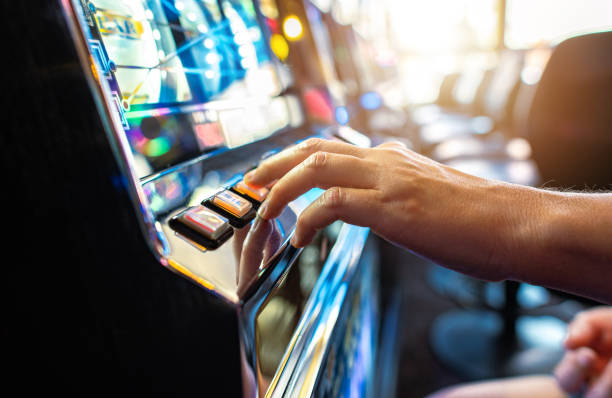
This psychological attraction to risk is rooted in our evolutionary past. Our ancestors often had to navigate dangerous situations, and the ability to assess risk accurately improved their chances of survival. In modern settings, this translates to a fascination with casino games, where the stakes can be high but the rewards even more alluring.
Understanding Player Preferences
Diversification in game offerings plays a critical role in attracting players with varying psychological profiles. Some prefer the strategy and skill involved in games like poker, while others are attracted to the sheer luck of slot machines. Understanding these preferences can be pivotal for both players and casino operators; tailoring experiences to different mindsets can enhance engagement and satisfaction.
Moreover, the choice of games is often influenced by demographic factors such as age, gender, and cultural background. Younger audiences might gravitate towards fast-paced, visually stimulating games, while older players may prefer traditional table games. Recognizing these patterns can help casinos create an environment that caters to a diverse range of desires and motivations.
The Role of Cognitive Biases
Cognitive biases significantly impact decision-making in a casino environment. Players often fall victim to the ‘gambler’s fallacy’, a belief that past outcomes can influence future results. This misconception can lead players to make irrational choices, such as continuing to wager in hopes of a ‘due’ win. Such biases are not only fascinating from a psychological standpoint but also highlight the complexities of gambling behavior.
Additionally, the ‘availability heuristic’ plays a role in how players perceive their chances of winning. If someone hears of a recent winner at a slot machine, they may overestimate their own likelihood of success, prompting them to play more. Understanding these cognitive pitfalls can empower players to make more informed decisions while gambling.
The Emotional Connection to Gambling
Emotions play a crucial role in gambling behavior, influencing both the experience and the choices players make. Many individuals seek out casinos not just for the games themselves but for the emotional highs that accompany wins and the social interactions that can occur. The environment in casinos is designed to evoke excitement and anticipation, making emotional engagement a key aspect of player retention.
Furthermore, the notion of a “near miss” can heighten emotional investment, as players often feel they were close to a win, which can paradoxically encourage further play. This emotional rollercoaster is a significant factor in why individuals return to casinos, despite the inherent risks involved in gambling.

Ensuring a Safe Gambling Experience
In light of the psychological complexities surrounding casino games, it is crucial to foster a safe gambling environment. Responsible gaming initiatives aim to educate players on the risks and encourage mindful gambling habits. Casinos and gaming platforms are increasingly incorporating features that promote self-control, such as limits on spending and time spent playing, as well as resources for those who may be experiencing gambling-related problems.
Ultimately, understanding the psychology behind casino game choices not only enhances player experiences but also aids in creating a more ethical gambling environment. Emphasizing responsible play can lead to a more sustainable casino culture, fostering enjoyment while mitigating the risks associated with gambling.