The Allure of Risk-Taking
Casino gambling encapsulates the thrill of risk-taking, drawing individuals into an arena of chance and uncertainty. Understanding why people are attracted to such risks involves delving into the psychological rewards associated with gambling. The excitement of potentially winning large sums of money often overshadows the inherent dangers of losing one’s investment. This allure of high stakes and the promise of instant gratification can create a powerful motivation to engage in risky behavior, as evident in a comprehensive list of sweepstakes casinos usa.
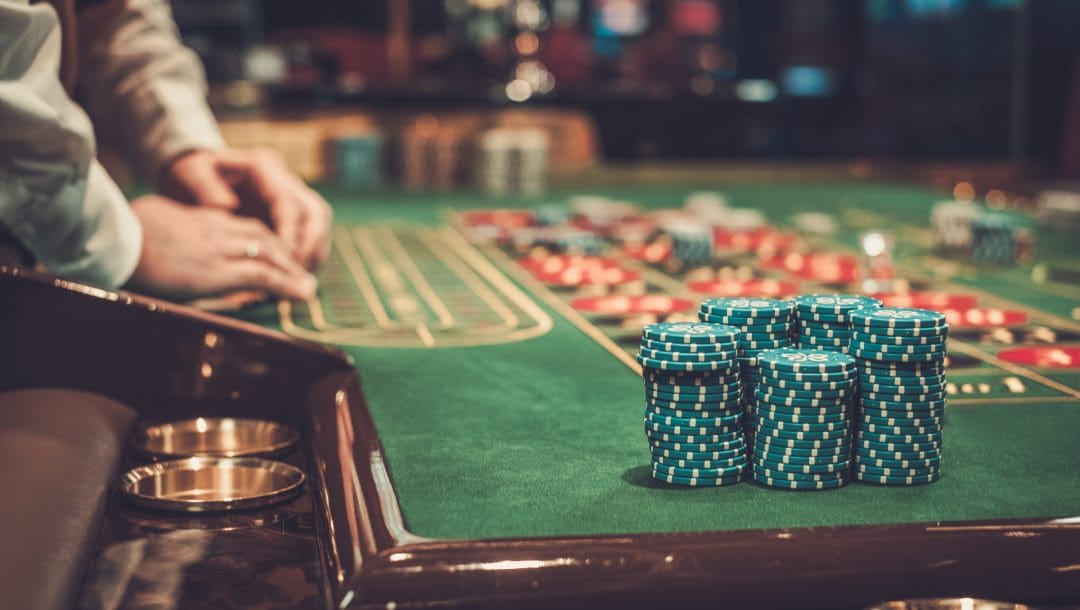
Moreover, the thrill of the gamble can be linked to basic human instincts. Evolutionary psychology suggests that risk-taking might have been advantageous for our ancestors, leading to greater rewards in hunting, gathering, and even social standing. Today, this instinct manifests in modern casino environments, where lights, sounds, and the presence of fellow gamblers amplify the emotional highs associated with taking risks.
The Role of Cognitive Biases
Cognitive biases significantly influence gambling behavior. One prevalent bias is the illusion of control, where players believe they can influence the outcome of random games, such as slots or roulette. This belief can lead to increased risk-taking as gamblers feel their choices can sway fate in their favor. Consequently, they may continue to play longer than intended, chasing losses based on unfounded confidence.
<p Another critical cognitive bias is the availability heuristic, which causes individuals to overestimate the probability of winning based on memorable experiences or recent successes of themselves or others. This skewed perception fosters a gambler's fallacy, where players may falsely believe that a winning streak is likely to continue, encouraging further risky bets.
The Emotional Impact of Gambling
The emotional responses elicited during gambling play a vital role in driving individuals to take risks. The highs of winning trigger a rush of dopamine, a neurotransmitter linked to pleasure and reward. This biochemical reaction creates a feedback loop, encouraging repeat behavior as players chase the euphoric feelings associated with wins, even amidst substantial losses.
Conversely, the lows associated with losing can lead to feelings of frustration and despair, often prompting gamblers to take greater risks in an attempt to recoup losses. This cycle of emotional highs and lows is integral to understanding the psychological grip casinos hold on their patrons, as they navigate between exhilaration and disappointment.
The Social Aspects of Gambling
Gambling is not just a solitary activity; it is often a social experience. Casinos are bustling environments filled with other individuals who share similar interests, providing a sense of community among players. Social facilitation can heighten the appeal of gambling, as individuals may feel emboldened to take risks in a group setting, where collective excitement adds to the thrill.
The social aspect can also lead to a phenomenon known as peer influence, where individuals are swayed by the behavior and attitudes of fellow gamblers. This dynamic can normalize risk-taking and heighten the urge to participate in high-stakes games, reinforcing the cycle of gambling behavior.

Ensuring a Safe Gambling Environment
While the excitement of gambling can be enticing, it is crucial for players to engage in such activities within a safe and secure environment. This website prioritizes user safety by employing advanced security measures to protect against online threats. Creating a trustworthy space allows individuals to enjoy gambling without the added concern of potential risks associated with data breaches or online fraud.
If users encounter any access restrictions, it is advisable to reach out for assistance to resolve any issues effectively. Ensuring that players can gamble securely is paramount, allowing them to focus on the thrill of the game rather than worrying about their online safety.